

Heavy rain is a common reality for businesses across Nebraska, especially during storm season. While a building may appear unaffected after a downpour, moisture-related roof damage often develops quietly beneath the surface. By the time interior leaks or mold become visible, the problem has usually spread well beyond the original entry point.
Scheduling roof inspections after heavy rain is one of the most effective ways businesses can prevent water damage, mold growth, and costly operational disruptions. This article explains why post-rain inspections are essential, how moisture infiltration impacts commercial buildings, and what facility teams should check after major storms.
Most commercial buildings use flat or low-slope roofing systems. While these systems are engineered to manage water, they are far more vulnerable to prolonged moisture exposure than steep residential roofs.
After heavy rain, commercial roofs face increased risk from:
Nebraska storms often bring large volumes of rain in short periods, overwhelming drainage systems and exposing even minor roofing vulnerabilities.
Water infiltration does not always result in immediate leaks. In many cases, moisture enters the roofing system and spreads laterally before becoming visible inside the building.
Common entry points include:
Once moisture reaches insulation or decking, it can remain trapped for extended periods.
Moisture often travels along insulation, framing, or decking before appearing indoors. This means:
Post-rain inspections help identify these issues before they escalate.
Mold is one of the most serious secondary risks following roof moisture infiltration. Nebraska’s warm climate creates ideal conditions for mold development when moisture is present.
Mold thrives in environments with:
Once mold begins growing, it can spread rapidly through ceiling cavities and HVAC systems, impacting indoor air quality.
Unchecked mold growth can lead to:
Preventing mold starts with identifying moisture intrusion early—before it becomes a visible problem.
Scheduling inspections after heavy rain allows roofing professionals to evaluate the roof under real-world conditions. Active moisture patterns often reveal issues that dry inspections cannot.
Post-rain inspections help businesses:
From a risk management standpoint, these inspections are a proactive and cost-effective strategy.
Certain parts of commercial roofs are especially susceptible to moisture infiltration following storms.
Seams expand and contract with temperature changes. Heavy rain tests their integrity, making post-storm evaluation critical.
Blocked drains and subtle low areas often cause ponding water. Even shallow standing water can accelerate membrane breakdown.
HVAC units, vents, and electrical penetrations are common leak sources. Sealants and flashing around these areas degrade over time.
Water stains, discoloration, or musty odors inside the building often point to roof moisture issues that require immediate attention.
After heavy rainfall, businesses should use the following checklist to identify potential problems. Some steps can be handled internally, while others require professional evaluation.
Documentation supports faster repairs and insurance claims if needed.
Not every rainfall requires an inspection, but certain events should trigger one automatically.
Recommended inspection triggers include:
For aging roofs or high-risk facilities, inspections after significant storms are strongly advised.
While facility teams can spot obvious issues, many moisture problems require specialized tools and experience to identify accurately. Infrared scanning, moisture detection, and membrane assessment are often necessary to locate hidden infiltration.
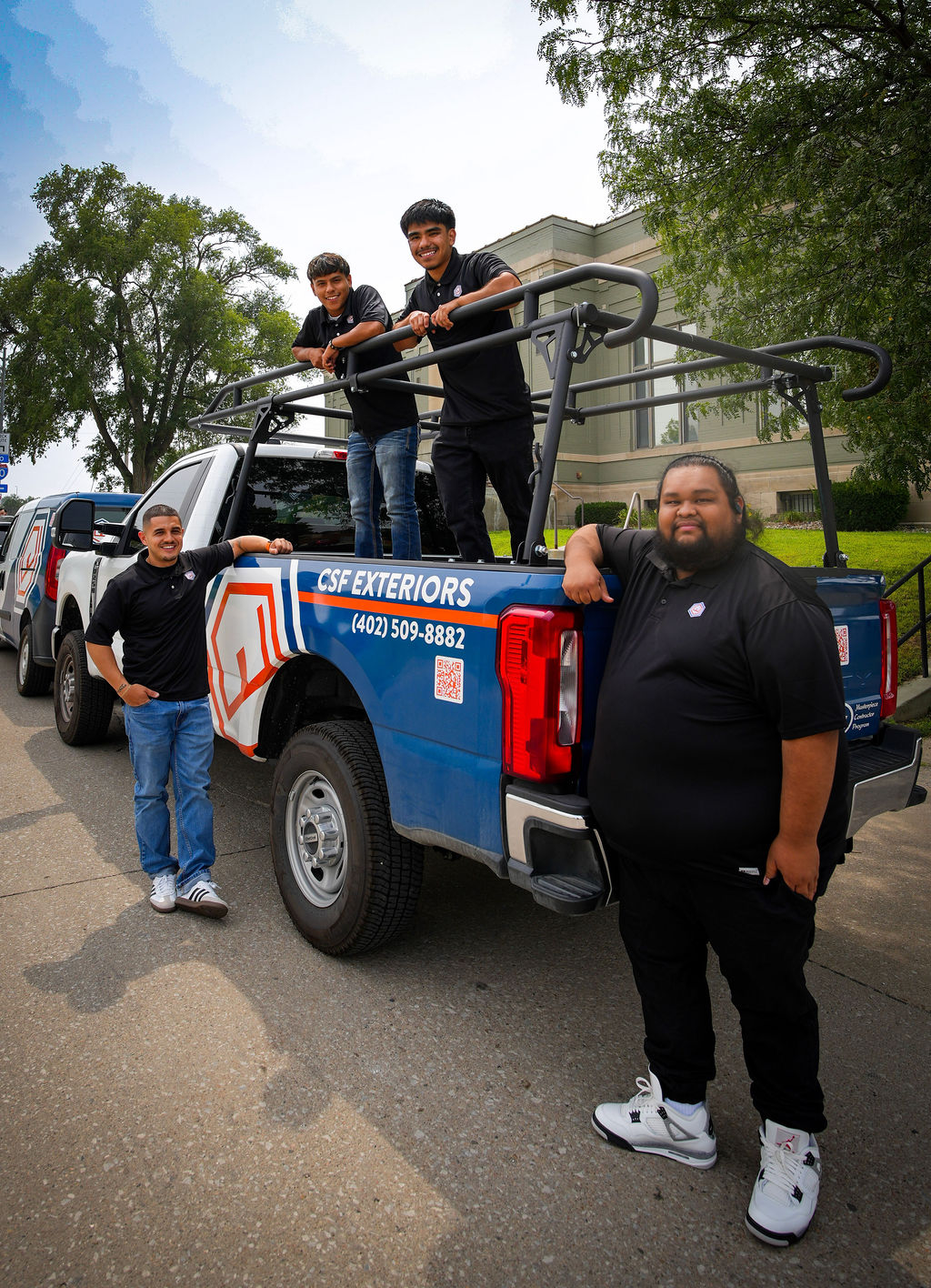
CSF Exteriors works with businesses across Omaha to perform post-rain roof inspections that identify moisture intrusion early. Their inspections focus on preventing mold, minimizing disruption, and helping property managers avoid costly emergency repairs.
For businesses, the real risk of heavy rain often begins after the clouds clear. Moisture trapped within roofing systems can quietly cause damage that affects operations, air quality, and long-term building integrity.
Scheduling roof inspections after heavy rain is not an overreaction—it’s a smart preventive measure. By identifying moisture infiltration early and addressing it promptly, businesses can protect their buildings, employees, and bottom line from avoidable damage.